
Sockindle layers onto your existing SIEM, EDR, and cloud security tools to deliver autonomous triage, proactive hunting, and one-click containment for enterprise security teams.
Modern SOC analysts at mid-market and enterprise organizations spend 60 to 70 percent of their working hours triaging false positives. The adversary generates alerts faster than humans can evaluate them. This is not a people problem — it is a structural asymmetry between machine-speed attackers and human-speed defenders.
Enterprise security teams running mature SIEM and EDR stacks — CrowdStrike, SentinelOne, Splunk, Microsoft Sentinel — often have strong tooling. But tooling that fires alerts does not close the gap. The bottleneck is the analyst judgment call after the alert fires: is this real? What does the attacker want? What is the right response in the next 60 seconds? That judgment call is happening at a pace no team can sustain manually.
The cybersecurity workforce shortfall of 3.5 million unfilled roles means hiring more analysts is not a realistic path. The security industry needs a different answer — one that augments existing human analysts with AI that can reason at machine speed, correlate signals across the full kill chain, and escalate only the threats that genuinely require human judgment.
Sockindle operates in three stages: telemetry ingestion, AI threat graph construction, and confirmed threat escalation. Each stage is designed for the enterprise security teams who already have a mature tooling investment and need AI augmentation, not replacement.
Connect your existing EDR (CrowdStrike Falcon, SentinelOne Singularity), SIEM (Splunk Enterprise/Cloud, Microsoft Sentinel), cloud security logs (AWS Security Hub, Azure Defender), and identity provider (Okta) via pre-built native integrations. Integration is read-only by default — no agents to redeploy, no changes to existing SIEM data pipelines or EDR policies, no rip-and-replace. Typical integration time is under two hours for a fully-stacked environment. Sockindle writes back alerts and containment actions only via explicitly authorized API scopes.
Sockindle's AI builds and continuously updates a live threat graph correlating signals across endpoint, network, identity, and cloud telemetry. Autonomous hunt agents run 24/7, applying MITRE ATT&CK mapping and behavioral TTPs to surface adversarial patterns that signature-based detection misses. The graph correlates disparate events across the full kill chain — from initial access through lateral movement, credential dumping, and data staging — giving defenders an attacker's-eye view of adversarial progression before a breach is complete. Threat-hunting queries run against this live graph, not batch-processed log archives.
Analysts receive prioritized, context-rich threat narratives — not raw alerts. Each escalation includes a full attack story: who the adversary is, what they did, which assets are at risk, what stage of the kill chain they are at, and a one-click containment option covering endpoint isolation, credential revocation, C2 IP blocking, and file quarantine. Every action is logged to an immutable audit trail with timestamp, analyst identity, and automated justification, satisfying SOC 2 Type II and NIST CSF incident-response documentation requirements.
Each capability is designed to address a specific failure mode in traditional SOC operations — from alert overload to compliance documentation burden.
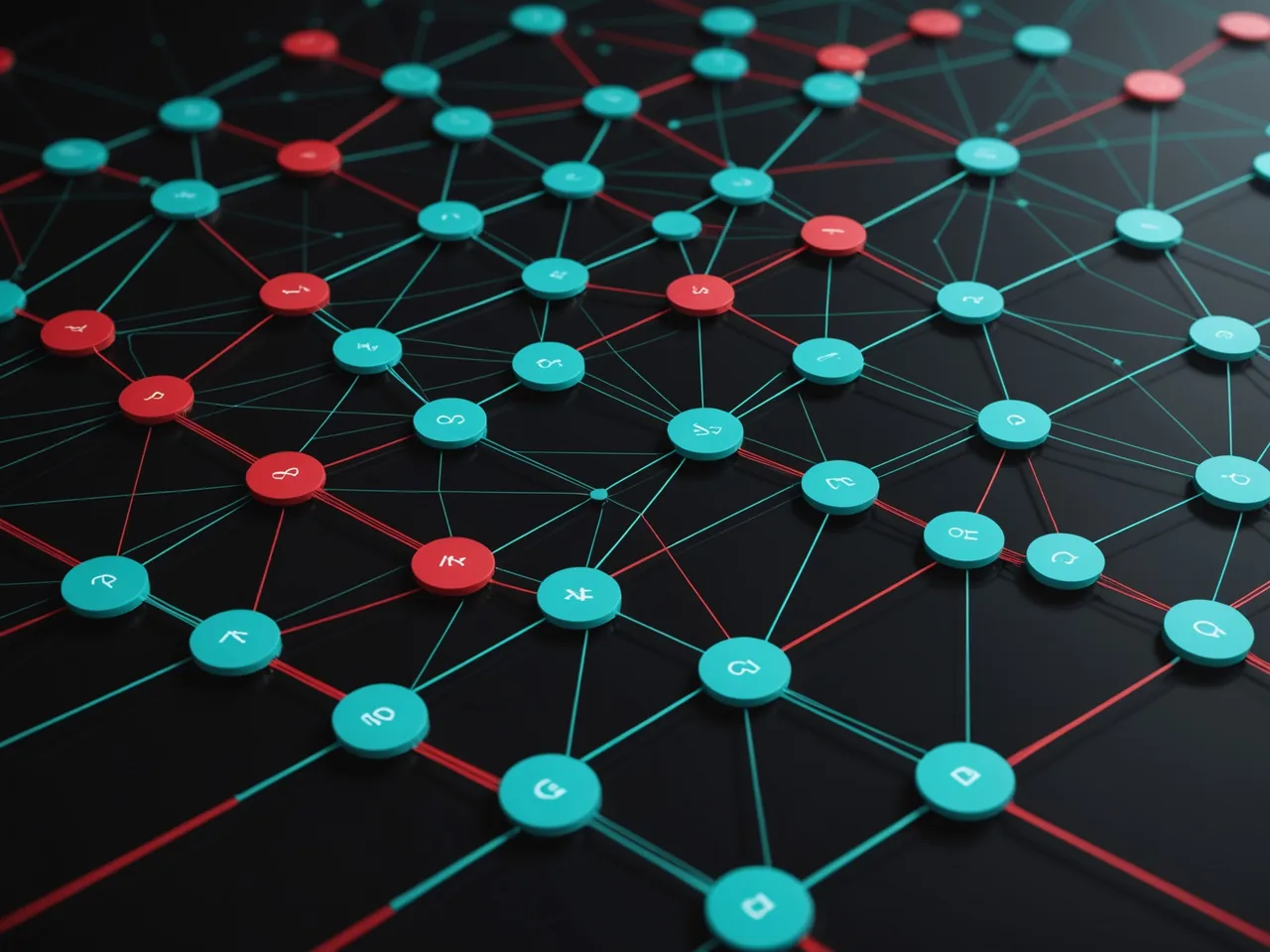
Sockindle's AI engine ingests the full alert stream from your SIEM and EDR, applying multi-dimensional behavioral analysis to distinguish real threats from noise with the reasoning depth of a trained Tier-2 analyst. It operates continuously — weekends, holidays, night shifts — and delivers prioritized decisions with supporting evidence, dramatically reducing false-positive triage burden so your human analysts can focus on genuine incidents that require judgment. The engine applies a confidence score and adversary intent classification to every alert, enabling analysts to triage the highest-confidence escalations first rather than working through alerts chronologically.
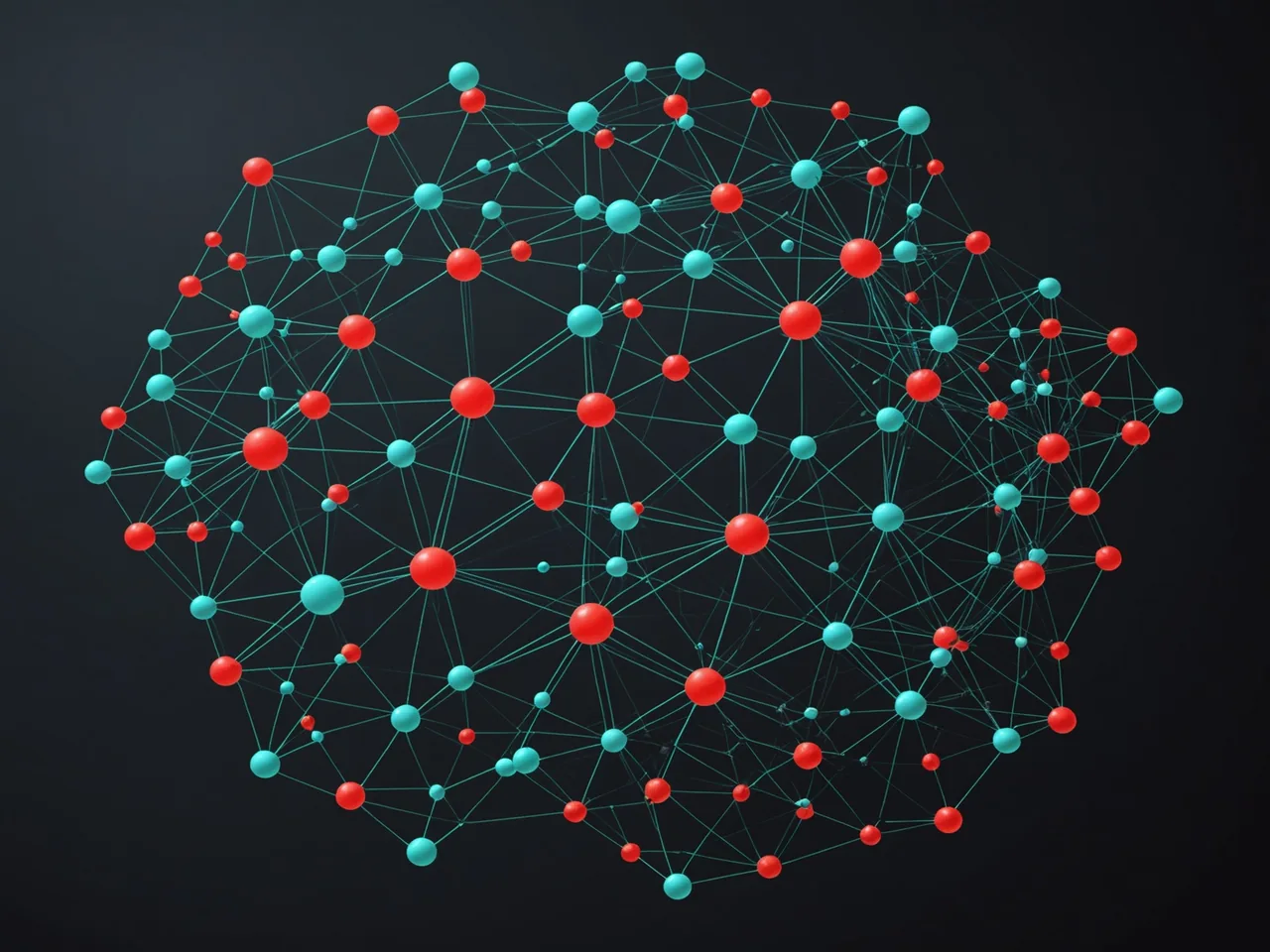
Every signal ingested by Sockindle is woven into a continuously updated threat graph spanning endpoint, network, identity, and cloud telemetry. The graph correlates disparate events across the kill chain — from initial access through lateral movement to data staging — giving defenders an attacker's-eye view of adversarial progression before a breach is complete. Unlike SIEM queries that run against static log archives, threat-hunting queries in Sockindle run against the live graph, enabling detection of adversarial patterns that span hours or days of low-frequency activity that no alert threshold would catch individually.

Rather than waiting for an alert to fire, Sockindle dispatches autonomous hunt missions continuously, searching for adversarial TTPs mapped to MITRE ATT&CK. Hunt missions interrogate historical and live telemetry for behavioral indicators — credential dumping patterns, living-off-the-land binary misuse, beaconing intervals, and abnormal lateral movement sequences — that signature-based detection routinely misses. Every hunt mission produces a structured findings report with supporting evidence and recommended remediation steps. Hunt missions run without analyst initiation and without consuming analyst time until a finding is escalated.

When Sockindle escalates a confirmed threat, analysts can execute containment with a single click: isolate the compromised endpoint from the network, revoke the affected user's credentials in Okta, block the adversary's C2 IP at the firewall perimeter, and quarantine suspicious files — all from a unified interface. Every action is logged to an immutable audit trail with timestamp, analyst identity, and automated justification, satisfying SOC 2 Type II and NIST CSF incident-response documentation requirements. Containment actions are reversible via the same interface and require explicit analyst authorization — Sockindle does not automate containment without human confirmation.
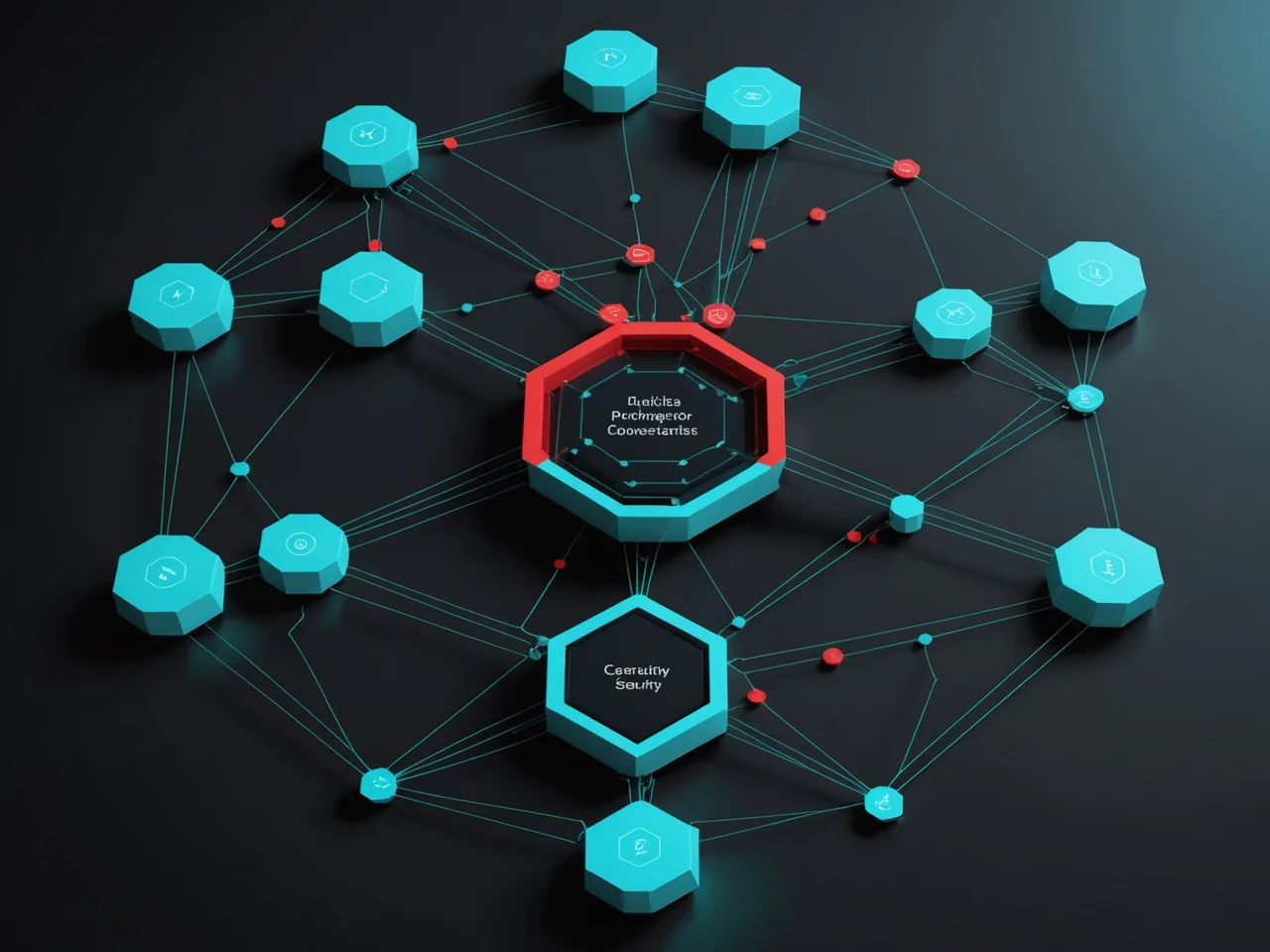
Sockindle ships pre-built connectors for the most widely deployed security stack components: Splunk Enterprise and Cloud, Microsoft Sentinel, CrowdStrike Falcon, SentinelOne Singularity, AWS Security Hub, Azure Defender, Okta, and Palo Alto Cortex XSOAR. Integration is read-only by default — Sockindle ingests telemetry and writes back alerts and containment actions only via explicitly authorized API scopes. No changes to your existing SIEM data pipelines, EDR policies, or agent deployments are required. Typical integration time for a fully-stacked environment is under two hours. Additional connectors are available on request for enterprise deployments.

Compliance documentation is generated automatically for every investigation Sockindle touches. Post-incident reports include a structured timeline of adversary actions, affected assets, containment steps taken, and evidence chain — exportable in formats accepted by SOC 2 Type II auditors and NIST CSF reviewers. Continuous evidence collection means audit preparation shrinks from weeks of manual log review to hours of report assembly, with no retroactive data collection required. The immutable audit trail records every analyst action, every AI escalation decision, and every containment step with supporting evidence, giving compliance teams the documentation they need without requiring analyst time to produce it.
Sockindle is built for CISOs and SOC Managers at mid-market to enterprise organizations (200 to 5,000 employees) that have already invested in detection tooling but face a structural analyst coverage gap. The typical Sockindle design partner is running CrowdStrike and Splunk or Microsoft Sentinel, has a 2-to-8-person SOC team, and is processing 50,000 to 500,000 alerts per day — a volume that exceeds their team's capacity to triage meaningfully.
The CISO's problem is not tool availability — they have the right sensors in place. The problem is that alerts are generated faster than analysts can evaluate them, which means either analyst burnout, missed detections, or both. Sockindle addresses this by operating as an AI augmentation layer that ingests the same telemetry their tools already produce, applies autonomous triage and hunting, and returns only the confirmed threats that require a human decision.
Enterprise security teams (200–5,000 employees) with an active SIEM and EDR deployment, a dedicated SOC team of 2 or more analysts, and an alert volume that exceeds the team's manual triage capacity. CISOs and SOC Managers evaluating AI augmentation tools that do not require replacing existing infrastructure.
Mid-market to enterprise organizations with 200 to 5,000 employees. Initial design partners are concentrated in financial services, healthcare technology, and SaaS platforms — industries with high compliance documentation requirements and high adversary interest.
Companies without any existing SIEM or EDR deployment (Sockindle augments, it does not replace sensor coverage). Consumer-facing products. Companies seeking a fully managed MSSP relationship rather than an in-house SOC augmentation tool that keeps the analyst in the decision loop.
Pre-built native connectors — no agents to redeploy, no pipeline changes required.
We will walk you through a live threat investigation — from telemetry ingestion to confirmed attack story with one-click containment — in 30 minutes.
Request Demo View Pricing